









 English
 Ukrainian
 Polish
 Dutch
DutchSelf-Assessment
Do you know if you are at risk of online gender-based violence? Think of this as your digital safety check-up. In just a few minutes, you’ll answer some simple questions. Your results will give you a snapshot of how at-risk you are of being a victim and help you learn how to protect yourself better.
Disclaimer This self-assessment tool is based on research and evidence. It is designed to help you reflect on your own online safety and learn about possible risks. But it is not a prediction tool and cannot tell you with certainty what will happen. Your answers are private and will not be shared without your consent. The tool should never replace professional advice or support. If you ever feel unsafe or are experiencing online harassment, grooming, or abuse, please review the available resources on our website, reach out to a trusted adult, helpline, or support service in your country.
Anonymous. No lectures. No judgement. Just useful insights.

You are …
Do you go to school?
How old are you?

What is your profession?

Do you identify as a girl?

Do you identify as LGBTQ+ (for example: lesbian, gay, bisexual, transgender, queer, intersex, or other)?

Are you 12–15 years old?

Do you belong to a minority group (for example: racial, ethnic, religious or disability)?

Have you had to move home or live away from your parents or caregivers?
Do you often feel lonely or feel bad about yourself?

Are your social media accounts public (anyone can see them)?

Do you share things like your school, address, or real name online?
Do you post about topics that might be controversial online (for example: politics, gender rights, feminism, or social justice)?
At school or in your community, are sexist jokes or bullying seen as “normal”?
Have you ever accepted friend requests or chatted online with people you’ve never met in person?
Have you ever sent pictures or videos of yourself that you wouldn’t want others to see?

On a typical day, do you spend more than 4 hours online?

Do you know how to block or report someone and change your privacy settings on the apps you use?

Low Risk
You’re doing great! Your answers show that you already follow many safe online habits.
Keep up those safe habits, and continue talking with your friends and parents about how to stay safe and protected online.
Medium Risk
Some of your online habits could put you at a bit more risk.
No worries. You can improve! Check out our tips and resources on privacy, boundaries, and safe interactions.

High Risk
Your answers suggest that you might be more exposed to online harm or unsafe situations.
Take action now. Visit the resources on our website to learn how to protect yourself, and don’t hesitate to talk to a trusted adult or friend if something online makes you feel uncomfortable.

Do you identify as a girl?
Do you identify as LGBTQ+ (for example: lesbian, gay, bisexual, transgender, queer, or other)?

Are you 16–18 years old?
Do you belong to a minority group (for example: racial, ethnic, religious or disability)?

Have you had to move home or live away from your parents or caregivers?

Do you often feel lonely or feel bad about yourself?
Are your social media accounts public (anyone can see it)?

Do you share things like your school, address, or real name online?
Do you post about topics that might be controversial online (for example: politics, gender rights, feminism, or social justice)?

At school or in your community, are sexist jokes or bullying seen as “normal”?

Have you ever accepted friend requests or chatted online with people you’ve never met in person?

Have you ever sent pictures or videos of yourself that you wouldn’t want others to see (for example: engaged in sexting)?

On a typical day, do you spend more than 4 hours online?
Do you know how to block or report someone and change your privacy settings on the apps you use?

Low Risk
You’re doing great! Your answers show that you already follow many safe online habits.
Keep up those safe habits, and continue talking with your friends and parents about how to stay safe and protected online.
Medium Risk
Some of your online habits could put you at a bit more risk online.
No worries. You can improve! Check out our tips and resources on privacy, boundaries, and safe interactions.
High Risk
Your answers suggest that you might be more exposed to online harm or unsafe situations.
Take action now. Visit the resources on our website to learn how to protect yourself and don’t hesitate to talk to a trusted adult or friend if something online makes you feel uncomfortable.

Is your child a girl or young woman?
Does your child identify as LGBTQI+ (for example: lesbian, gay, bisexual, transgender, queer, intersex, or other)?
Does your child belong to a minority group (for example: racial, ethnic, religious or disability-based)?

Has your child experienced displacement, moving home, or separation from caregivers?
Does your child sometimes seem lonely, lack confidence, or feel down about themselves?
Are your child’s social media accounts public (anyone can see them)?
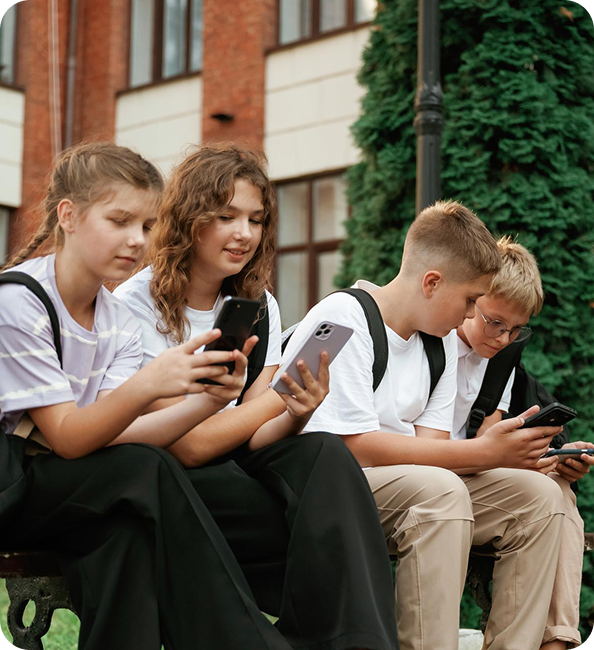
Do they share personal details like school, address, or real name online?

Do they post about topics that might be controversial online (for example: politics, gender rights, feminism, or social justice)?

At your house or in school or in your community, are sexist jokes or bullying seen as “normal”?

Do they accept friend requests or talk with strangers online?

Has your child ever mentioned sharing intimate or sexual photos/videos?
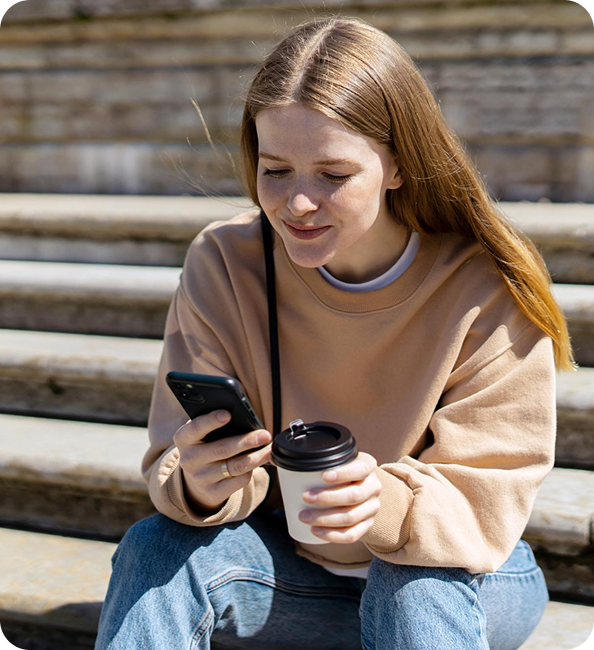
On a typical day, does your child spend more than 4 hours online?

Does your child know how to block or report someone and adjust privacy settings?

Low Risk
Your answers suggest your child is currently at a lower likelihood of facing certain online risks.
Keep up those safe habits, and continue talking with your child about how to stay safe and protected online.
Medium Risk
Some of your habits or those of your child may increase your vulnerability online.
Take some time to learn more about privacy, boundaries, and safe interactions for you and your child.
High Risk
Your answers indicate a higher level of exposure to online harm for you and your child.
Take action immediately and rethink how you and your child navigate the online world. There are some safety steps and support resources on our website and it is always helpful to start talking about this more often with your child.